
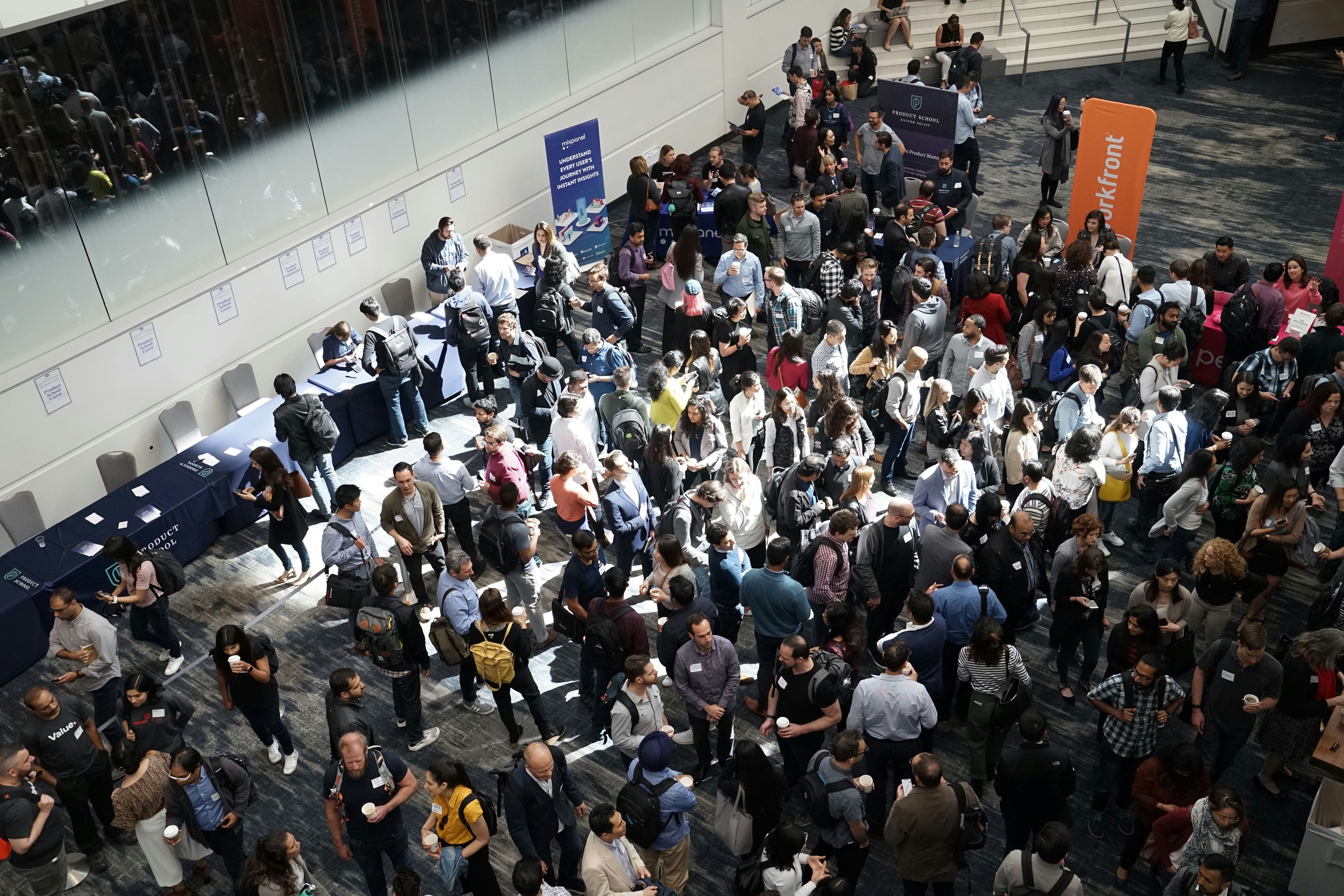
This year at IMEX, I walked away with a renewed clarity about what makes an event truly unforgettable. It reinforced something essential to the work we do at Moment: we succeed when we aim not only to meet our own business goals but also the business goals of our clients. When we understand what they need their audience to feel, think and do, we design events that resonate and move people toward meaningful outcomes.
This alignment begins with four simple questions. What business outcome matters most? What do we want the audience to feel about us? What action do we want them to take afterward? What message or story are we reinforcing through the experience? These questions guide decisions about format, content and emotional pacing. They also help us match our creative intentions with the strategic needs of the clients we serve.
The heart of these questions lives in three pillars.
Feel: the emotional connection we want to create.
Think: the message we want the audience to retain.
Do: the behavior or action we hope to inspire.
When all three are intentionally shaped, the event becomes a purposeful journey rather than a collection of isolated moments.
At IMEX, one reminder stood out. You do not need every minute to be extraordinary, but the right moment has to land. Guests remember the moments they participate in. When they play a role, they feel ownership in the experience and the memory becomes theirs to keep.
This is the foundation of event strategy. It is not only about producing a smooth program. It is an overarching plan that uses events to drive engagement, revenue, growth, connection and education. A helpful lens here is AIM: Audience, Intent, Medium. When we define who we are reaching, what outcome we want and the best way to deliver the experience, we build with intention rather than assumption.
Another valuable insight from IMEX came from the discussion around brand archetypes. Drawing from the Iconic Fox framework, archetypes help us understand the emotional identity of a brand. Whether a brand aligns with the Magician, Explorer, Caregiver or Hero, the archetype becomes a guide for how we shape the event environment. Explorer brands thrive in experiences built around discovery. Caregiver brands resonate with spaces that feel warm and supportive. Archetypes give us language to design events that feel authentic to each client.
Bringing these ideas together confirmed something important. Event success is measured not by spectacle or constant excitement but by whether the experience reinforced the client’s story and supported their intended outcomes. When we design with clarity, empathy and a shared definition of success, we create moments that stick, moments that matter and moments that elevate both our agency and the clients we partner with.